The Journey
by John Crafton

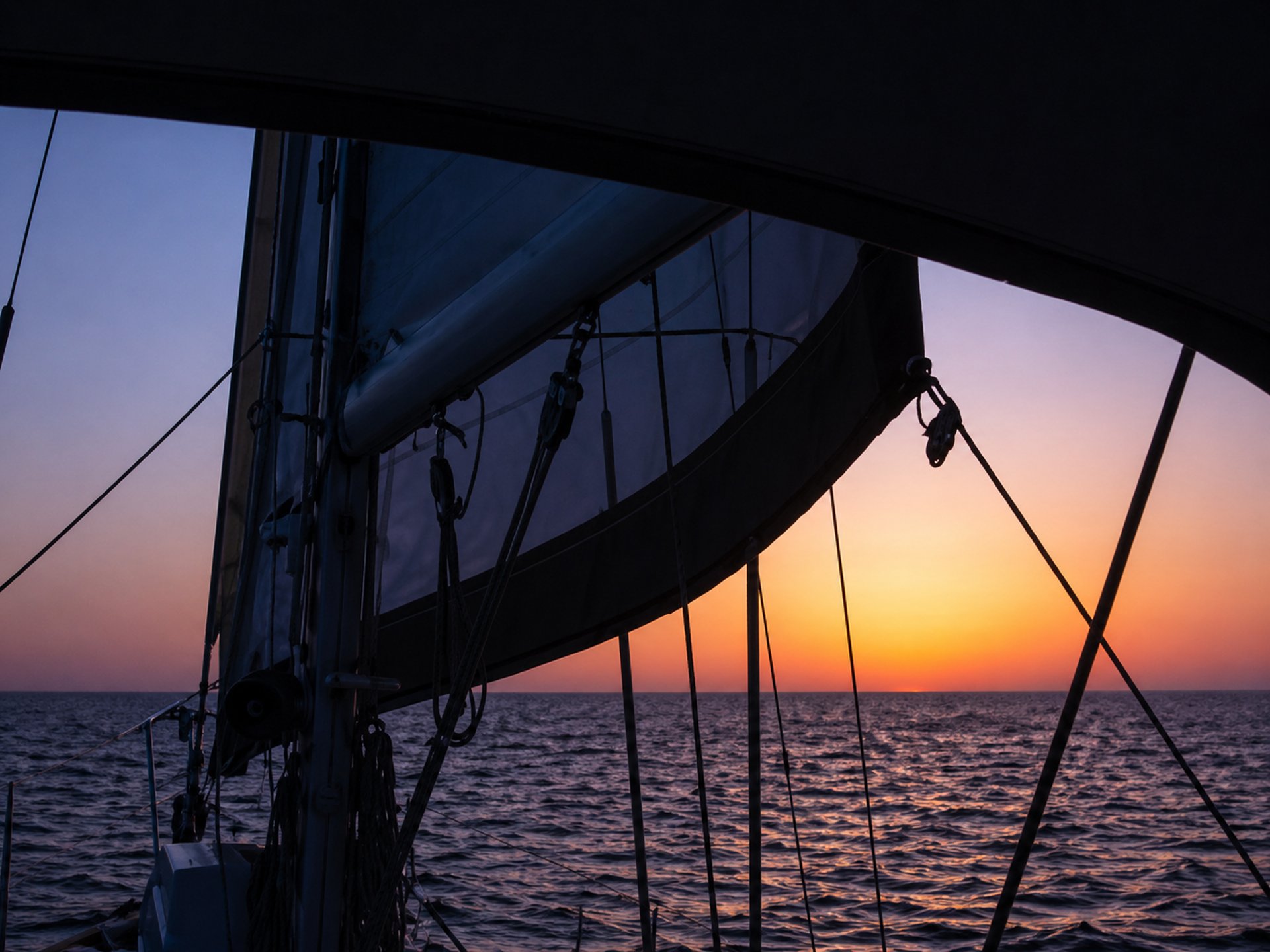
I’ve been an offshore sailor since I was a young man, and it never ceases to give me joy to be out there where the world has a pulse you can feel at the wheel of a sailboat. The sea is like a fickle woman. One minute she is making you as happy as you have ever been in your life, and the next, she is trying to kill you. But like the hopeless romantic you must be to cross the sea in the first place, you go back for more.
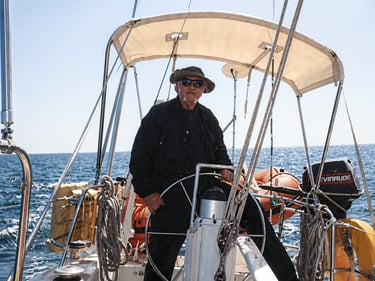
This was a challenging trip, to say the least. After the first two days of perfect sailing, the weather turned and tried to retire anyone out there for good. I am a fairly accomplished foul weather sailor, but that storm tested every nerve I had.
I took my lead guitarist, Sean, and my eldest son, John, both in their early 20s, on the trip. Neither of them had ever been sailing or out at sea. They both thought it was a little nuts to be out there in that kind of weather, but they never questioned my judgment or the duties they had to perform to keep us safe and afloat. I watched them turn from boys to men right there in front of me.
We left Annapolis in a boat called The Journey, a 40 foot Camper & Nicholson. It was about a half million dollars’ worth of boat, and it had already been around the world twice. I was asked to captain it into Narragansett Bay, so I did.
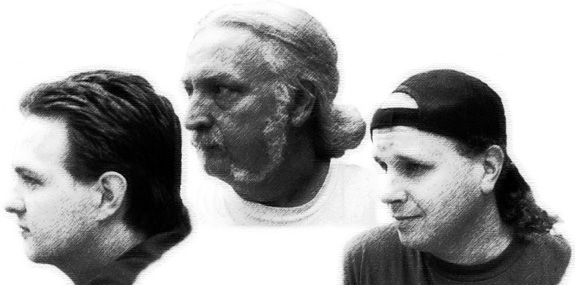
But I will tell you this. That trip took something out of all of us, and it put something else in its place, which is why it deserved to be immortalized in song, (which wrote itself. Literally, word for word).
Listen to the Song the journey
I did not want to go out into the ocean because I was listening to the radio, and the marine weather reports were calling for a horrible storm. The Coast Guard was advising the bigger boats to stay way offshore, out beyond the buoys, because it was a real bad storm. No rain or anything like that. Just wind. Hard wind. The kind of wind that keeps leaning on you until the whole world feels like it is made out of pressure.
So I headed for the inland waterway up into Cape May. I figured that way we would be sheltered. There is a canal that runs from Delaware Bay up inside the coast toward Cape May, New Jersey. It is a river, essentially, but it is also a working waterway, part of the Intracoastal. That route has its own history. The Cape May Canal was cut during World War II so boats could avoid going outside around Cape May Point, where German U boats had made the waters dangerous. All those years later, I was trying to use that same protected water for the same basic reason: the ocean outside was no place I wanted to be.
There was old talk around there that the mob was supposed to have had something to do with dredging that stretch years back. I do not know if that was gospel or just Jersey dock talk, but I know this much: if they dredged it, they missed a few spots. I wound up on three sandbars in four miles. It was nuts.
A Camper & Nicholson is a keel rudder boat, and they are very different to handle than a full keel boat. A full keel boat has that long backbone under her, and she will track in a way you can feel. A keel rudder boat is more responsive, but in tight water, shallow water, and heavy wind, she will make you work for every foot.
We got up to the bridge that goes into Atlantic City and ultimately down into Cape May. The bridge was only 54 feet off the water, and I had a 55 foot mast for my main. That meant I had to wait for low tide to get under the damn thing.
I had my son at the top of the mast, holding it over so it would not hit the beams of the bridge. That is not something you forget. You have the tide under you, the wind pushing you around, the bridge in front of you, and your own son up there doing exactly what you told him to do because there was no room for panic and no room for debate. We got through there, and it was choppy as hell.
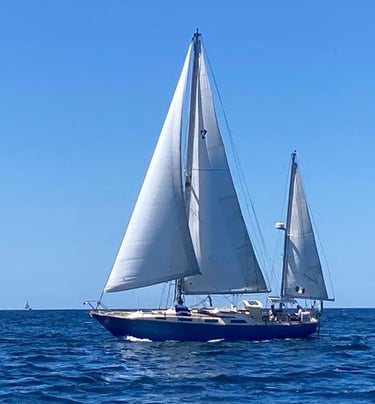
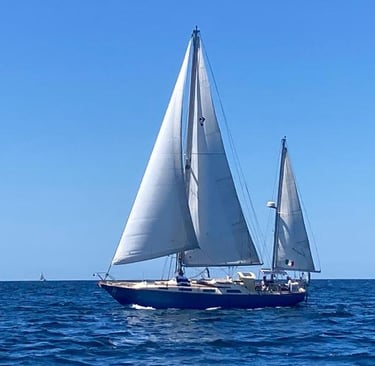
The trip should have taken four or five days. Gentle sailing. No big deal. Right along the coast. We had perfect sailing the first day and wound up in Baltimore’s Inner Harbor, up from Annapolis, and from there we went into the C&D Canal. It was perfect.
We got up at four in the morning and left the C&D Canal. When we came out into the top of Delaware Bay, it was glass smooth, with no wind at all. I motored for the first half hour down the bay, and then it started getting a little choppy. That little chop turned into three footers, then four footers, and before long the bay was banging us around like redheaded stepchildren.
I was going to pull into the marina in there. It was a beautiful marina, and under normal conditions I would have put her in there clean. But it was so bad I could not get the boat turned into it. So we tied up at an abandoned fuel dock. This was a half million dollars’ worth of boat I was responsible for, and now we were up against an abandoned fuel dock with no fenders, no bumpers, nothing on the dock to protect her.
So the three of us kept that boat from crashing into those posts with fenders, our hands, and our feet, 24 hours a day. We did it in shifts. The wind never really quit. The boat would surge and slam, and every time she came down against that dock, it felt like the whole trip was trying to take one more bite out of us. We were exhausted.
By the third day, the whole thing had become almost unreal. It was not letting up. It kept getting worse. Every hour seemed to bring another level of wind. Still no rain, no lightning, no dramatic black sky, just that relentless wind beating everything in sight.
We were maybe half a mile from the Coast Guard station. You could see it across the bay, and they could see us banging against that fuel dock. Then a call came over the radio about a boat called the Pamela Ann, a 32 foot steel hull, flat bottom fishing boat, out with professional fishermen aboard. She was taking on water. These men were only about two miles out, but in that weather two miles might as well have been twenty. They were in real trouble.
The Coast Guard sent helicopters. We could hear the whole thing unfolding over the radio in broad daylight. Then they sent a 40 foot cutter down through the canal and out toward Delaware Bay to rescue those guys. When that cutter came through, it threw a wake that swamped us where we were tied up. We were already fighting to keep The Journey off the posts, and then here came that cutter wake rolling through like one more insult from the sea. All we could do was hang on and listen.
That is what people do not always understand about being out there. Sometimes the danger is not one big dramatic thing. Sometimes it is hours and hours of pressure. The wind. The tide. The boat. The dock. The radio. Other men in worse trouble than you are. Your own crew watching you, trusting you, not fully knowing how bad it really is because they have no frame of reference for it yet.
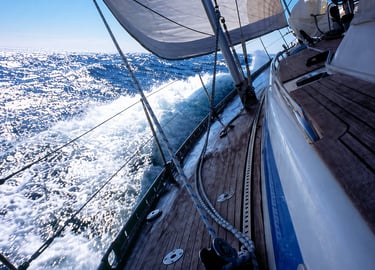
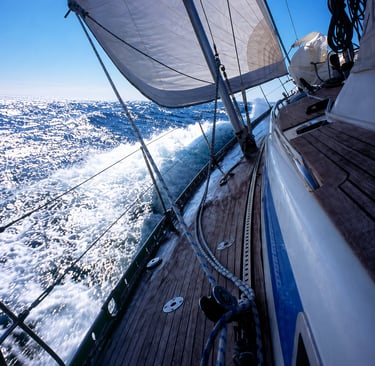
Sean and John had never been to sea before. Their very first time out, I had that boat heeled over so hard to the port side that they were laying on the wall above the dinette to sleep. I had the port deck in the water for about eight hours. It was an amazing trip, and they had no idea how much danger they were really in. To them it was, “Dad’s got it.” And I did.
.
john@johncraftonmusic.com
John Crafton Music